
If you see this message it means you are using a phone. Please watch the film on a good screen (bigger than a mobile phone) and with good sound. Thank you.
"My wife and I saw Anorgasmia at the Sedona Film Festival tonight. I felt compelled to congratulate you on a masterpiece. It is the truest, most authentic and organic love story I've ever seen on film. The acting, editing and cinematography are superb. This film deserves an Oscar nomination for best picture. It is a powerful and layered exposition of the human condition."
Congratulations. The look and feel is truly cinematic and I love it when films allow the actors to really breathe and develop. The score also is very impressive and absolutely connects with the atmosphere and landscapes. Congratulations again - it's a wonderful piece of work.
This is a beautiful, beautiful film, congratulations! Very powerful and deeply moving, seriously. A magic, powerful film. The performances are flawless. The script and photography are all just excellent.
I loved the film. Especially the scene at the airport moved me… and the scenery in Iceland is fantastic. Thank you for this masterpiece.
What a beautiful film. Great performances from the actors. It's gorgeous to watch. Really, really lovely. The music was perfect.
CAPRI-WORLD
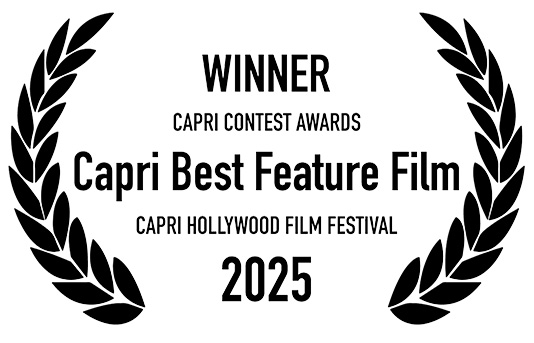
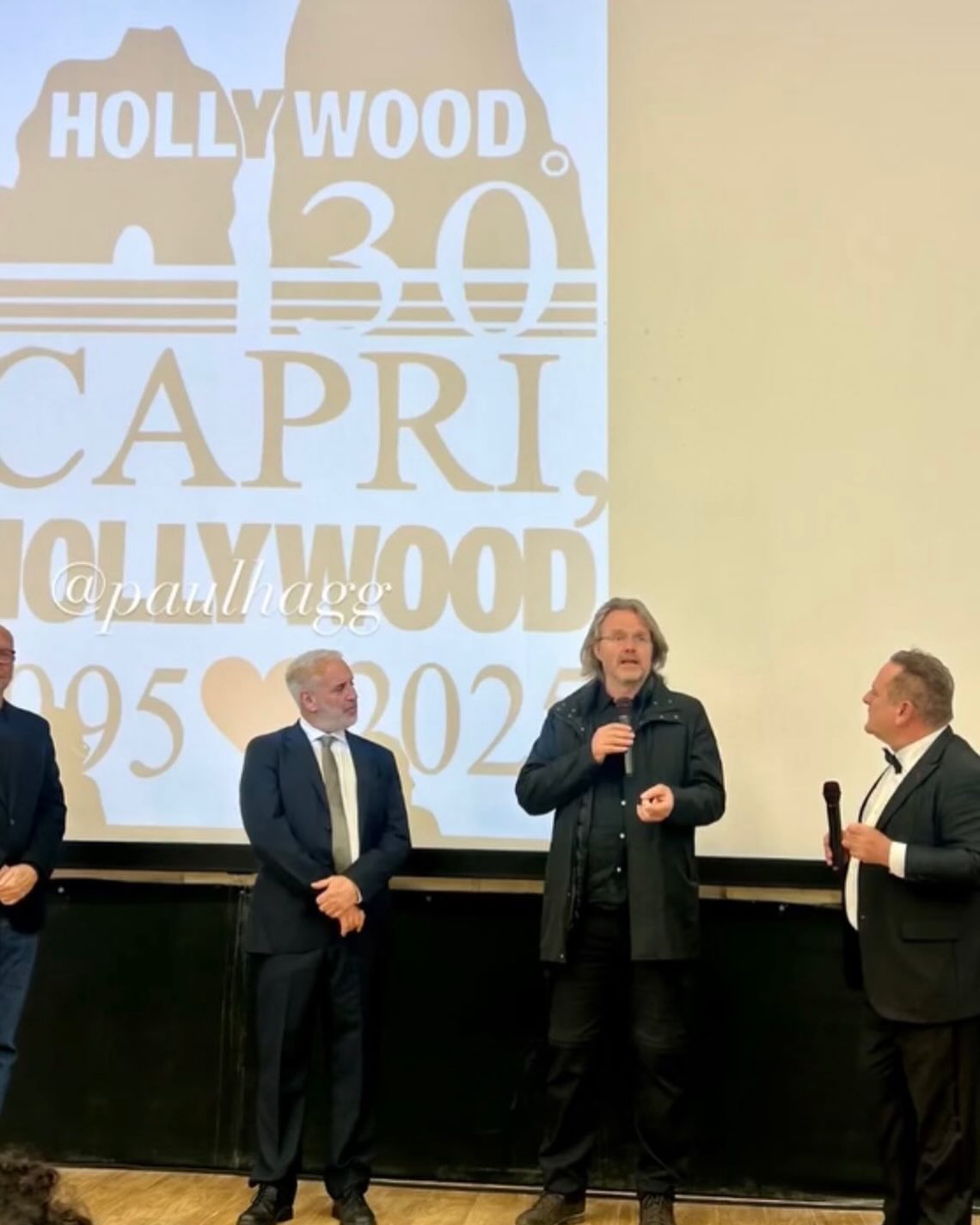
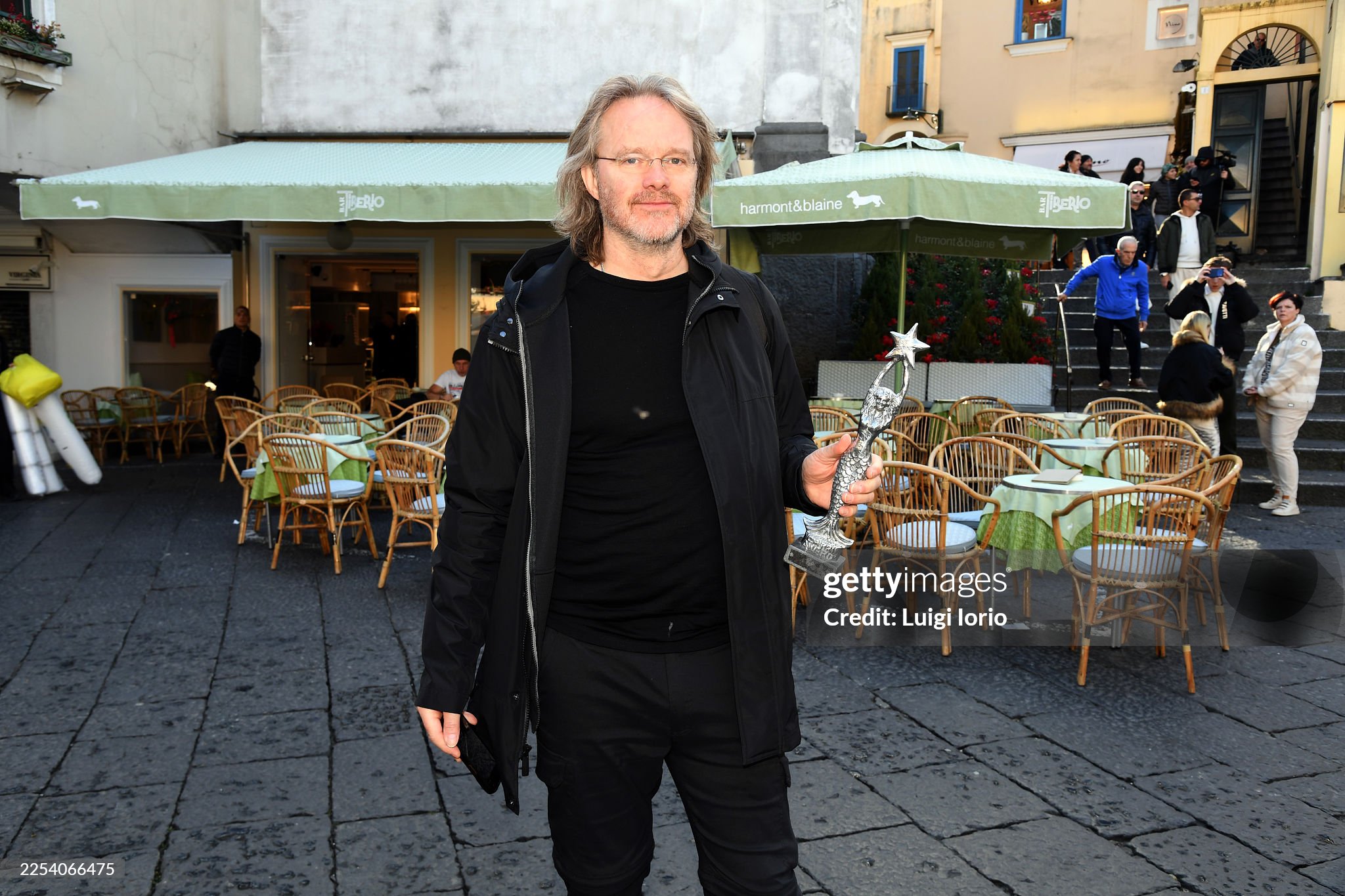
(ENG) CAPRI – The 30th edition of Capri Hollywood crowned one of the most striking and emotionally resonant films of the year as Capri Best Feature Film 2025: Anorgasmia (a.k.a. All the Things We Do to Survive), directed by Jon Einarsson Gustafsson. The award marked a major moment for the Icelandic filmmaker, whose work stood out for its bold vision and profound human sensitivity.
Gustafsson’s film is a daring exploration of intimacy, trauma and the invisible mechanisms that govern emotional survival. Far from sensationalism, Anorgasmiaapproaches its subject matter with extraordinary delicacy, transforming a deeply personal condition into a universal reflection on the way people learn to protect themselves from pain, loneliness and disappointment. CLICK FOR MORE.
NORDISK FILM & TV FUND
CINEEUROPA








SYNOPSIS
After a failed attempt at a hostel luggage room hook up, Sam and Naomi think they will never see each other again. When a volcano erupts, grounding all flights, they suddenly find themselves stranded – together.
In a stolen car, the pair embark on a quest to capture the first images of the eruption. The ensuing road trip into the Icelandic highlands uncovers their vulnerabilities as they navigate their fears of commitment, the weight of their secrets and the thrills of connection in a world where they can no longer swipe left.
DIRECTOR'S NOTES
ANORGASMIA (All The Things We Do To Survive) was born from a simple question that has haunted me for a long time: What happens when two strangers can no longer escape themselves – or each other?
We live in an era where it is easy to disappear. We can travel anywhere, break ties with a single tap on a screen and start again somewhere else. In this film, I wanted to remove that possibility. To put two people in a situation where the world suddenly closes in around them and all that remains is the conversation, the silence and the truth they have tried to avoid.
The idea came when I thought of Iceland as both a real and emotional setting for the story. The volcanic eruption in the film is not just a natural disaster – it is also a mirror of the characters’ inner states. As the earth opens up and the lava erupts, Sam and Naomi’s defenses also begin to crumble. In that moment, they must confront questions that many of us avoid: Why do we connect with others? Why are we afraid of intimacy? And what are we willing to do to survive – emotionally?
The film was also an attempt to capture a certain truth about modern relationships. We are constantly searching, constantly evaluating possibilities, but rarely stopping. By following two people on a journey through the raw and unpredictable landscape of Iceland, I wanted to create a space where they – and the viewer – can no longer look away.
Ultimately, this is a story about vulnerability. About how sometimes it takes the end of the world, or at least a volcanic eruption, to force us to say what we would never have dared to say otherwise.
In 2010, the eruption of Eyjafjallajökull shut down air traffic throughout Europe. By a twist of fate, my helicopter pilot friend and I were the first people to see the eruption with our naked eyes. For the first few days I was the only photographer allowed to fly over the volcano and my images were used by almost every single media outlet in the western world.
Millions of people were stranded in airports all over the world. Some were waiting to travel, others eager to get home. Everyone had places to be, but that volcano forced a change. In the years since, I have met many people whose lives were impacted by the eruption, some of them making a pilgrimage to the Eyjafjallajökull volcano. Their stories inspired me to make this unusual event the backdrop of Anorgasmia.
Anorgasmia refers to the inability to reach satisfaction. Our main characters, Sam and Naomi, belong to a generation that seems to have a harder time with commitment than any generation before. They entered the world of dating after dating apps were invented. They reduced rejection to a swipe. They have less sex, “quiet quit” their jobs, and prefer FaceTime to facetime. They are the generation that invented ghosting. I wanted to understand them and come to terms with them. Instead of examining them through a lens of judgement, I decided to put Sam and Naomi in a place where they no longer have access to an anxiety-inducing over-abundance of choice, where they can not run away from each other, where they have to face each other and eventually face themselves. That place is the treacherous highlands of Iceland.
I grew up in Iceland but spent many years abroad, first studying in England and California, and later working in Canada. After sixteen years away, I was invited back to Iceland to act in a large-scale Viking film, Beowulf and Grendel, starring Gerard Butler and Stellan Skarsgård. I played one of Beowulf’s ten warriors, which meant spending forty days in Viking armor and several months living in the Icelandic highlands.
That experience was transformative. Coming straight from Toronto into the rugged isolation of Iceland’s mountains, I rediscovered the landscape of my homeland. As a child, I’d taken it for granted; I had never explored the highlands or the remote natural wonders that tourists travel across the world to see. But during that production, I fell deeply in love with Iceland again. When I returned to Canada, I found myself homesick for its raw, untamed beauty, and before long, I decided to come back.
Shortly after returning, a major volcanic eruption occurred under the glacier Eyjafjallajökull. The event halted air travel across much of the Northern Hemisphere, grounding millions. By coincidence, I found myself at the center of it all. A helicopter company invited me to join a flight over the volcano with a camera, and we became the first to witness and document the eruption from above. Through a break in the clouds, we saw what no one else had yet seen — the fire and ash bursting through the glacier’s icy shell.
The footage I captured became some of the first images of the event seen worldwide, even the White House, under President Obama, used them. For four extraordinary days, my photographs and video footage dominated global news. It was a surreal time, but it also changed my perspective. During the chaos, as millions of travelers were stranded, lives were quietly being rewritten — people met unexpectedly, relationships began or ended, and choices were made that altered personal trajectories.
In the aftermath, I stayed connected with the helicopter pilots. They often invited me to join flights with tourists who wanted to visit the volcano, sometimes to propose, sometimes to marry, sometimes simply to return to the place where their lives had changed. These encounters fascinated me. They revealed a generation struggling with commitment, with the ability to truly stay present and connected.
That theme became the seed of Anorgasmia. I wanted to explore what happens when two people from this generation, the same one that invented ghosting and quiet quitting, and learned to date through apps, are forced to confront each other without escape. So I placed them in the Icelandic highlands, where you can’t just walk away. Out there, nature itself demands cooperation and connection; a storm or a broken car can become a matter of survival.
The story grew from my reflections on modern relationships and emotional isolation. It’s not exactly a love story — more a meditation on closeness and the difficulty of genuine intimacy. In today’s world, we’re constantly polarized and encouraged to separate politically, emotionally, spiritually. Anorgasmia is my small, personal attempt to reverse that trend, to push two people closer together and see what happens when barriers fall away.
The film also speaks to that fleeting, magical moment when someone enters your life briefly but profoundly changes it. When we meet a stranger we may never see again, we sometimes reveal our truest selves, the secrets and vulnerabilities we’d never share with those we see every day. That moment of raw connection is at the heart of the film.
Stylistically, I was inspired by filmmakers like Richard Linklater, particularly his Before Sunrise trilogy, by the intimacy of low-budget, high-heart cinema. Early in my career, I volunteered at the Sundance Film Festival and met Robert Rodriguez, who had just premiered El Mariachi. His approach of making a powerful film with minimal resources and maximal passion left a lasting impression. I always knew I wanted to create something with that same spirit.
When we shot Anorgasmia, we worked with a tiny crew, just myself, a cinematographer, a sound recordist, and one assistant. We stayed together on a friend’s remote farm on Iceland’s south coast, cooking together at night and shooting during the day. That closeness mirrored the intimacy of the story we were telling. The freedom of such a small production allowed us to adapt to Iceland’s unpredictable weather and to capture something real, both visually and emotionally.
My two leads, Edward Hayter from London and Mathilde Warnier from Paris, brought the story to life beautifully. Through their eyes, I rediscovered Iceland once again — its vastness, fragility and strange poetry.
For the score, I was fortunate to work with the legendary composer Michael Brook, whose work on Into the Wild, Brooklyn, and The Fighter I’ve long admired. After seeing an early cut of the film, he immediately connected with it and agreed to compose the music. His score became the emotional glue of the film, the final, missing voice that turned the story into a complete poem.
Ultimately, Anorgasmia (All the Things We Do to Survive) is not about sex or even romance. It’s about commitment and the struggle for connection in a generation both liberated and trapped by its freedom. It’s about the courage it takes to stay, to commit, and to face oneself, especially when the world makes it so easy to run.
I hope the film speaks to that part of all of us that still longs for closeness, even when we fear it most.
ANORGASMIA - COMMENTS
It's a really beautiful film you have created! Congratulations. The look and feel is truly cinematic and I love it when films allow the actors to really breathe and develop. The score also is very impressive and absolutely connects with the atmosphere and landscapes. Congratulations again - it's a wonderful piece of work.
- R.H., talent agent, London
“Anorgasmia is a great film, and we were particularly moved by the performances of the actors playing Sam and Naomi, as well as the stunning Icelandic landscapes and beautiful cinematography.”
- M. International Sales
“What a beautiful film. Great performances from the actors. It's gorgeous to watch. Really, really lovely. The music was perfect. I think you really nailed it.”
- Ryan McKee, President, EverStar Entertainment, LA
“The two of them are fantastic and very convincing and authentic as the characters. This is a magnificent movie. Thirty minutes in I was hooked and couldn’t stop watching.”
- Þórður Bogason, musician
“This is a beautiful, beautiful film, congratulations! Very powerful and deeply moving, seriously. A magic, powerful film. The performances are flawless. The script and photography are all just excellent.”
- Michael, LA
“The film is terrific!”
- Glen Reynolds, Circus Road Films, LA
"I really like this film. The leads are engaging, the supporting cast is universally good, Graeme did a beautiful job with the cinematography and Iceland shines. Congratulations."
- Sturla Gunnarsson, director, Toronto
“I watched the film and liked it quite a bit: the actors are charming and it's an entertaining watch.”
- G.G. sales agent
“It reminded me of Before Sunrise, one of my favourite films. Lovely soundtrack, photography and performances. I truly appreciate that this movie doesn't follow tropes. It has a humanistic gaze with two magnetic performances at its core. What a lovely love letter to Generation Z. This is a movie I would love to show my college age niece. I think it deals with a lot of her fears about relationships, sex and commitment.”
- M.A. sales agent
“The end was very powerful, it was emotional. I definitely noticed the score, especially at the end. It was great throughout the movie, enhancing emotions without being overpowering. Downside: the images are stunning, and I'm afraid more people are gonna travel to Iceland!”
- Stephanie Yared, Montreal